
Ever felt nervous near the Kearsley Roundabout? Mastering the Bolton driving test routes is more than just driving. It’s about understanding complex junctions and merging at high speeds. For personalized coaching, join our professional driving school in Bolton today.
Practising in Great Lever, Farnworth, and Little Lever is challenging. The A666 can surprise you with its 50mph sections. Weston Street is also tricky, needing your full attention for traffic signals.
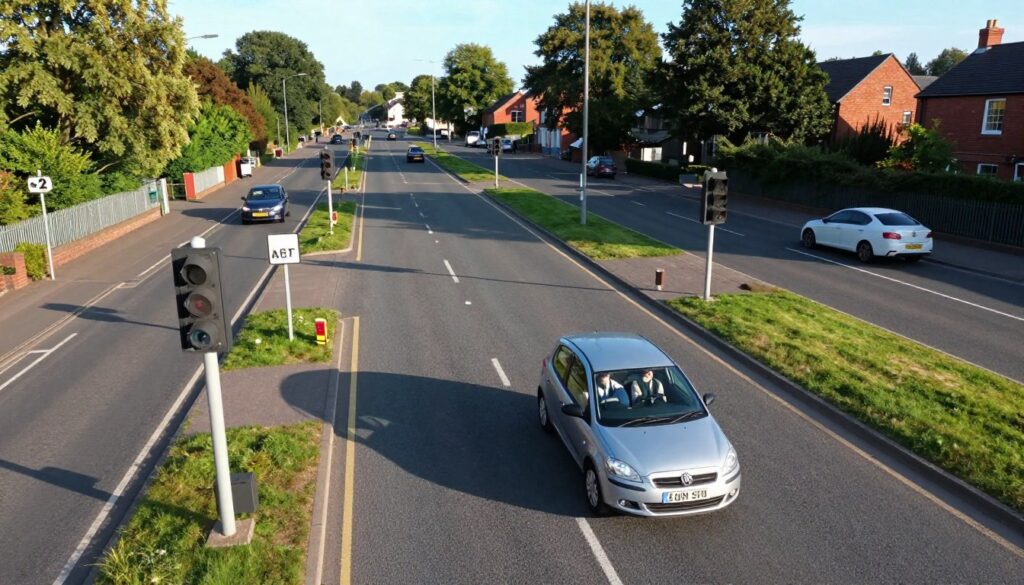
Passing your driving test is not just luck. It’s about being well-prepared. Learn to tackle these tough spots and you’ll feel ready for your test. Let’s look at how to handle these areas well. Maintaining lane discipline on high-speed roads is a core requirement of the official UK Highway Code.
Key Takeaways
- Keep your speed in check on the A666.
- Be alert at the Kearsley Roundabout.
- Practice spotting hazards in busy spots like Great Lever.
- Stay calm in urban traffic on Weston Street.
- Get to know the roads in Farnworth and Little Lever.
- Make smooth gear changes to impress your examiner.
Understanding the Weston Street Test Centre Environment
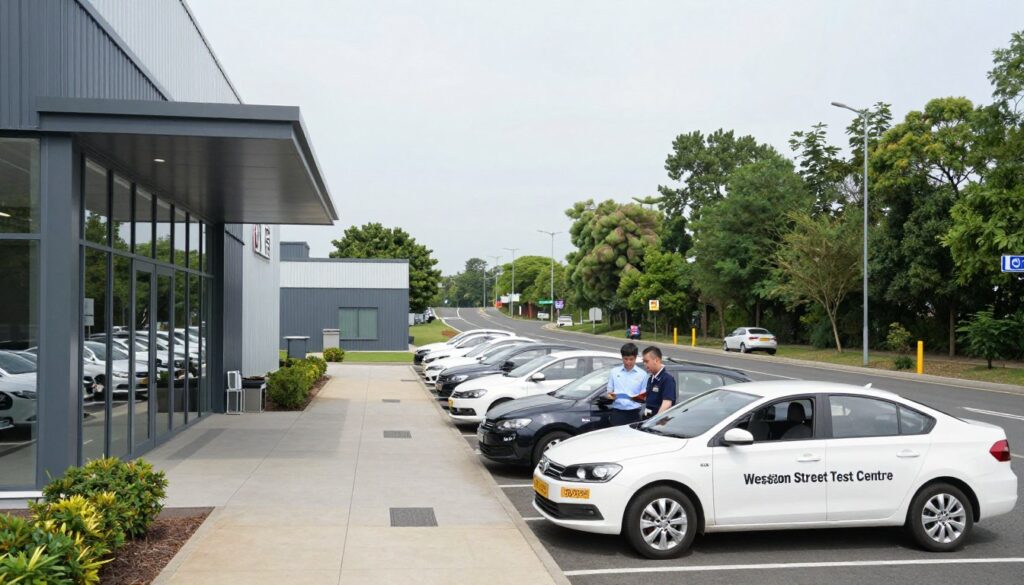
Knowing the Weston Street Test Centre and its area can make you feel less nervous on test day. As you get ready for your driving test, learning about the local roads and conditions will boost your confidence. It will make you feel more in control.
Navigating the Immediate Vicinity of the Test Centre
The area around the Weston Street Test Centre has different roads and conditions. You’ll need to drive on residential streets, main roads like the A666, and busy junctions. Practising in these areas will make you more comfortable with the roads and their challenges.
It’s important to know the route to and from the test centre. Learn the road layout, including roundabouts and junctions. For example, the Kearsley Roundabout is near the test centre. Being able to navigate it well is a big plus.
Managing Nerves During the Initial Vehicle Safety Checks
The first part of the driving test is the vehicle safety checks. It’s key to manage your nerves during this time. Take your time to do each check correctly and confidently. Remember, it’s a normal part of the test.
Practising the safety checks until they’re easy can lower your anxiety. Focus on the ‘show me, tell me’ questions. Make sure you know the vehicle’s controls and safety features. This preparation will increase your confidence and help you stay calm during the test.
Essential Preparation for Bolton Driving Test Routes
Knowing the test routes around Bolton, including Great Lever and Farnworth, is key. It helps you prepare better. You’ll feel more confident when you know what to expect.
Mapping out common test routes in Great Lever and Farnworth
The driving test routes in Bolton often include Great Lever and Farnworth. These places test your skills on different roads and environments. By mapping these routes, you can spot tricky spots like busy junctions or narrow streets.
In Great Lever, you’ll face roads with parked cars, pedestrians, and cyclists. You need to watch out and adjust your speed. Farnworth has busier roads with complex junctions, so you must stay alert.
Identifying potential hazards in residential zones
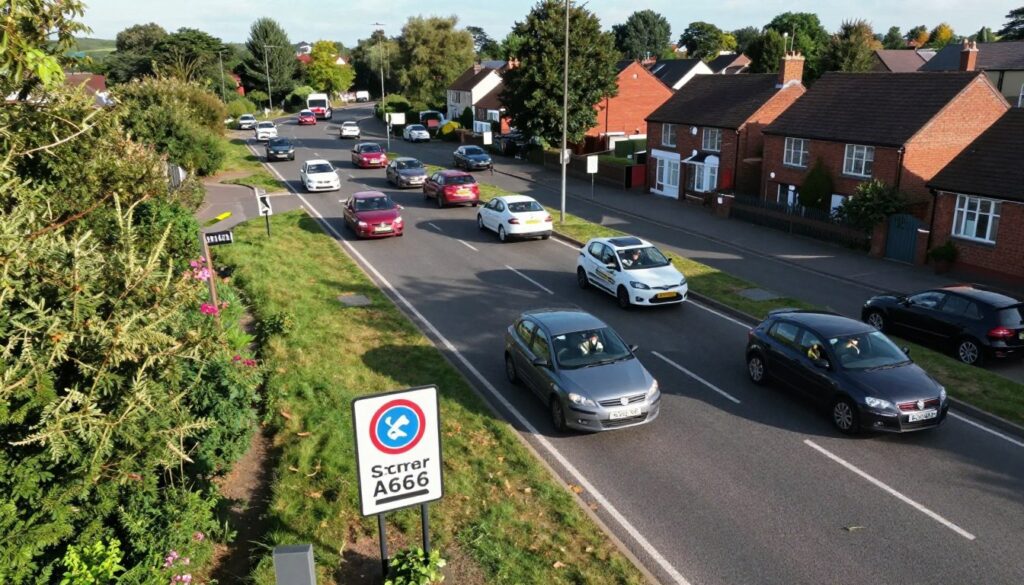
Residential zones in Bolton, like Little Lever, have their own challenges. These areas have narrow roads, parked cars, and pedestrians, including kids and the elderly. They might be hard to see or act unpredictably.
To stay safe, slow down and be ready to stop quickly. Watch out for cars coming out of side roads or driveways, and for pedestrians stepping out from between parked cars.
| Hazard | Precaution | Action |
| Parked vehicles | Reduce speed | Be prepared to stop |
| Pedestrians | Be vigilant | Give way when necessary |
| Narrow roads | Use low speed | Avoid overtaking |
Understanding the common test routes and hazards in residential zones boosts your chances of passing. It’s not just about knowing the routes. It’s about being ready for the road challenges.
Mastering the A666 St Peter’s Way
Getting ready for your Bolton driving test means mastering the A666 St Peter’s Way. This part of the test is tough because of its complex layout and changing speed limits.
The A666 runs through Bolton, and St Peter’s Way is very busy. To do well, you must know the speed limits and keep to the correct lane.
Understanding speed limits and lane discipline on the A666
Speed limits on the A666 change, so knowing them is key. The road is mostly a dual carriageway with a 50mph limit. But, some parts have lower limits because of roadworks or traffic.
It’s also important to stay in the left lane unless you’re overtaking or turning right. Always check your mirrors and blind spots before changing lanes and signal your move.
| Speed Limit | Road Conditions | Actions Required |
| 50mph | Dual carriageway | Stay in left lane unless overtaking |
| 30-40mph | Roadworks or heavy traffic | Reduce speed, be prepared to stop |
Executing safe merges at 50mph
Merging onto the A666 at 50mph needs careful planning. Match your speed to the traffic you’re joining and use your mirrors and signals to show your plan.
Look for a safe gap in the traffic and adjust your speed. Keep a safe distance and be ready to slow down if needed.
- Check your mirrors and blind spots for other traffic
- Signal your intention to merge
- Match your speed to the traffic you are merging into
- Check for a safe gap in the traffic
- Merge smoothly into the gap
By mastering the A666 St Peter’s Way, you’ll be ready for a tough part of the Bolton driving test.
Navigating the Kearsley Roundabout with Confidence
Getting ready for your driving test on the A666 means learning to handle complex junctions like the Kearsley Roundabout. This roundabout is a key spot on your test route. Knowing how to navigate it well is key to passing.
To get through the Kearsley Roundabout smoothly, you need to know the different ways to approach it. You also need to manage your lane and signal timing correctly.
Approaching the roundabout from different directions
When you’re heading to the Kearsley Roundabout, think about where you’re coming from. Whether it’s from Bolton, Farnworth, or Kearsley, adjust your speed and position based on the traffic and signs.
- Look for signs that show the roundabout and the lanes you should be in.
- Match your speed to the traffic and your chosen lane.
- Watch out for other road users, like pedestrians, cyclists, and cars.
Managing lane positioning and signal timing
Getting your lane and signal right is crucial at the Kearsley Roundabout. Choose the right lane for your exit and signal clearly to others.
- Use road markings and signs to find the right lane for your exit.
- Signal your exit before you get there, so others know what you plan to do.
- Be ready to change your lane and signal if the traffic changes.
Mastering the Kearsley Roundabout will help you tackle the Bolton driving test. It shows you can drive safely and well on the A666.
Handling High-Speed Dual Carriageways
Mastering high-speed dual carriageways is crucial for the Bolton driving test. You’ll need to show you can keep a safe distance and predict traffic changes.
Driving on fast roads like the A666 requires you to keep a safe distance. This lets you react to traffic changes. Aim for a 2-second gap with the car in front.
Maintaining Safe Following Distances at Speed
To keep a safe gap, do the following:
- Use road markers to judge the distance to the car ahead.
- Adjust your gap based on road, weather, and traffic.
- Know how far it takes to stop at different speeds.
Anticipating Traffic Flow Changes on Major Bolton Arteries
It’s key to predict traffic changes on fast roads. Watch out for:
- Cars merging from on-ramps.
- Cars changing lanes or leaving the road.
- Changes in road or weather that might slow traffic.
By staying alert and expecting hazards, you can adjust your speed and position. This keeps traffic flowing smoothly.
As you drive on the A666 and other Bolton roads, work on keeping a safe distance and predicting traffic. With practice, you’ll get better at handling these fast roads.
Driving Through Little Lever and Surrounding Areas
When you drive through the Bolton driving test routes, you’ll face many challenges. Little Lever and its nearby areas are tough spots. They have narrow streets, parked cars, and dangers like pedestrian crossings and school zones.
Driving in Little Lever needs careful attention. The streets are narrow, with cars parked on both sides. There are also pedestrians and sometimes roadworks.
Adapting to Narrow Streets and Parked Vehicles
Narrow streets in Little Lever demand your full attention. You must slow down or stop for cars or people stepping out from between parked vehicles. A driving instructor once said, “It’s not just about following the road; it’s about anticipating what’s around the corner.”
Keep a safe distance from parked cars to avoid dangers. Use your mirrors and check blind spots often. This helps you stay alert to what’s happening around you.
Dealing with Pedestrian Crossings and School Zones
Pedestrian crossings and school zones need extra care. Always be ready to slow down or stop, more so during busy times when kids are going to or from school.
Watch the traffic lights and pedestrian signals at crossings. Stop if people are crossing or about to. In school zones, remember the lower speed limits and watch out for kids who might not know the traffic rules.
Stay alert and ready, and you’ll drive safely through Little Lever and its areas. This shows your skill during the Bolton driving test.
Advanced Observation Techniques for Bolton Roads
Bolton’s roads need more than basic driving skills. They require advanced observation techniques. As you drive through Bolton’s busy streets, being aware of your surroundings is key for safe and confident driving.
To drive well in Bolton, always scan the road and its surroundings for hazards. This means more than just looking at the road ahead. It’s about noticing pedestrians, other cars, and road conditions.
Scanning for Hazards in Busy Urban Environments
In busy urban areas like Bolton, scanning the road ahead for hazards is crucial. Look out for pedestrians stepping off the curb, vehicles turning or merging, and roadwork or debris. Aim to look at least 12 seconds ahead, which is about a block or more in urban areas.
To improve your scanning, try these tips:
- Regularly check your mirrors and blind spots to stay aware of your surroundings.
- Look for potential hazards such as pedestrians, cyclists, and other vehicles.
- Be aware of road signs and markings that indicate potential hazards or changes in road conditions.
Using Mirrors Effectively During Lane Changes
Using your mirrors well is vital for safe driving, when changing lanes. Before changing lanes, check your rearview mirror, side mirrors, and blind spots to ensure it’s safe.
To use your mirrors effectively:
- Check your rearview mirror to get a general sense of the traffic behind you.
- Check your side mirrors to see if there are any vehicles in your blind spots.
- Glance over your shoulder to check your blind spots, as mirrors alone may not show all vehicles.
By mastering these advanced observation techniques, you’ll be better prepared to handle Bolton’s driving challenges. This will also boost your chances of passing your driving test.
Common Mistakes to Avoid on Your Bolton Test
Getting ready for your Bolton driving test means knowing the common mistakes that can lower your score. The test, which includes the A666, needs skill, knowledge, and awareness of common issues.
When driving on test routes like Great Lever and Farnworth, being careful can help avoid big mistakes. Here are some key things to remember:
Avoiding Minor Faults on Roundabouts
Roundabouts can be tricky, even in places you don’t know well. To avoid small mistakes, make sure to:
- Signal correctly when approaching and exiting roundabouts
- Check your mirrors and blind spots before changing lanes or exiting
- Maintain a safe speed according to the roundabout’s conditions
For example, on the Kearsley Roundabout, signalling in good time and checking your mirrors helps you move through smoothly. Practising on similar roundabouts can also make you more confident.
Preventing Serious Faults During High-Speed Manoeuvres
High-speed driving, like on the A666 or when merging onto dual carriageways, requires focus and skill. To avoid serious mistakes:
- Maintain a safe following distance to allow enough time to react to changing traffic conditions
- Anticipate the actions of other road users, such as cars merging or changing lanes
- Keep a steady speed and avoid sudden acceleration or braking
Driving fast needs you to stay alert and ready for anything. For example, when merging onto a busy dual carriageway, matching your speed to the traffic you’re joining and using your mirrors and checking blind spots helps you fit in safely.
Knowing these common mistakes and how to avoid them can really help you pass your Bolton driving test. Practice is key, so use your lessons to get better on the test routes and feel more confident driving.
Expert Advice for Bolton Driving Tests
Getting ready for your Bolton driving test? Expert advice can really help. The test is a big deal, and being ready is crucial for success.
Focus on two key areas: building a mock test routine and getting the right mindset for the test.
Building a Mock Test Routine
Creating a mock test routine is a smart move. It lets you practice with an instructor or experienced driver. They can give you feedback on how you’re doing.
A good mock test routine should include:
- Practicing common test routes in Bolton, such as those around Great Lever and Farnworth
- Focusing on specific skills like merging onto the A666 or navigating roundabouts
- Getting feedback on your driving to know what to work on
| Mock Test Component | Description | Benefits |
| Route Familiarization | Practice driving on common test routes | Reduces anxiety, improves navigation skills |
| Skill-Specific Practice | Focus on specific driving skills like merging or roundabout navigation | Enhances driving competence, builds confidence |
| Feedback Sessions | Receive feedback from instructors or experienced drivers | Identifies areas for improvement, refines driving skills |
Developing the Right Mindset for Test Day Success
It’s not just about knowing how to drive on test day. Your mindset is just as important. Being calm and positive can really help your performance.
Here are some tips for the right mindset:
- Stay Calm: Use deep breathing to handle nerves.
- Visualize Success: Imagine passing the test to boost your confidence.
- Focus on the Task: Keep your mind on driving and the examiner’s instructions.
By combining a solid mock test routine with a positive mindset, you’ll be ready to face the Bolton driving test with confidence.
Conclusion
Getting ready for your Bolton driving test means knowing the test routes well. Knowing the bolton driving test routes boosts your confidence and skill.
You’ve learned about Weston Street Test Centre, the A666 St Peter’s Way, and Kearsley Roundabout. Mastering these routes helps you face driving challenges in Bolton.
Success comes from understanding the test routes and practicing in different conditions. This way, you can handle hazards better.
With the right practice and dedication, you’ll feel ready for your Bolton driving test. Your effort will show in your performance on the bolton driving test routes.
FAQ
What are the most common features of bolton driving test routes?
Your practical exam will take you through different places. You’ll drive on the A666 St Peter’s Way and face complex junctions like the Kearsley Roundabout. You’ll also drive on narrow streets in Great Lever, Farnworth, and Little Lever.Knowing these driving test routes near bolton helps you feel more confident. It prepares you for different speeds and traffic levels.
Do you have any specific a666 driving tips for the 50mph merges?
To merge onto the A666 smoothly, accelerate decisively and observe early. Match the speed of traffic on the dual carriageway, usually 50mph. Find a safe gap to join St Peter’s Way.Check your mirrors and blind spots quickly but thoroughly. This ensures you don’t cut off other drivers.
What should I expect at the weston street test centre on the day of my exam?
At the weston street test centre, your test starts before you leave the car park. You’ll answer ‘show me, tell me’ safety questions and have an eyesight check.Arrive 10 minutes early to calm your nerves. Park easily to avoid delays in the busy area.
How can I ensure I follow the correct a666 test road advice for lane discipline?
Staying in the correct lane is key, even when speed zones change. Always use the left lane unless overtaking or turning right. Lane markings on St Peter’s Way are important to follow.Reading road markings early is crucial. This helps you avoid dedicated exit lanes.
What is the secret of how to pass driving test on a666 junctions?
Anticipation is key at junctions like the Kearsley Roundabout. Look ahead for signs and signals. Keep a safe distance, as traffic can slow down suddenly.
How should I navigate the narrow residential streets in Little Lever and Great Lever?
In Little Lever and Great Lever, be very alert. Adjust your speed for parked cars, oncoming traffic, and school zones. Practice slowing down to react to unexpected hazards.
What expert advice for bolton driving tests can help with the Kearsley Roundabout?
The Kearsley Roundabout is challenging due to its size and exits. Study lane markings as you approach. Signal left only after passing the exit before your intended turn.
Are there any specific weston street driving test centre tips for avoiding serious faults?
Always check your mirrors before changing speed or direction. This is crucial in busy areas near Weston Street. Use the Mirror-Signal-Manoeuvre (MSM) routine to show you’re aware of your surroundings.